
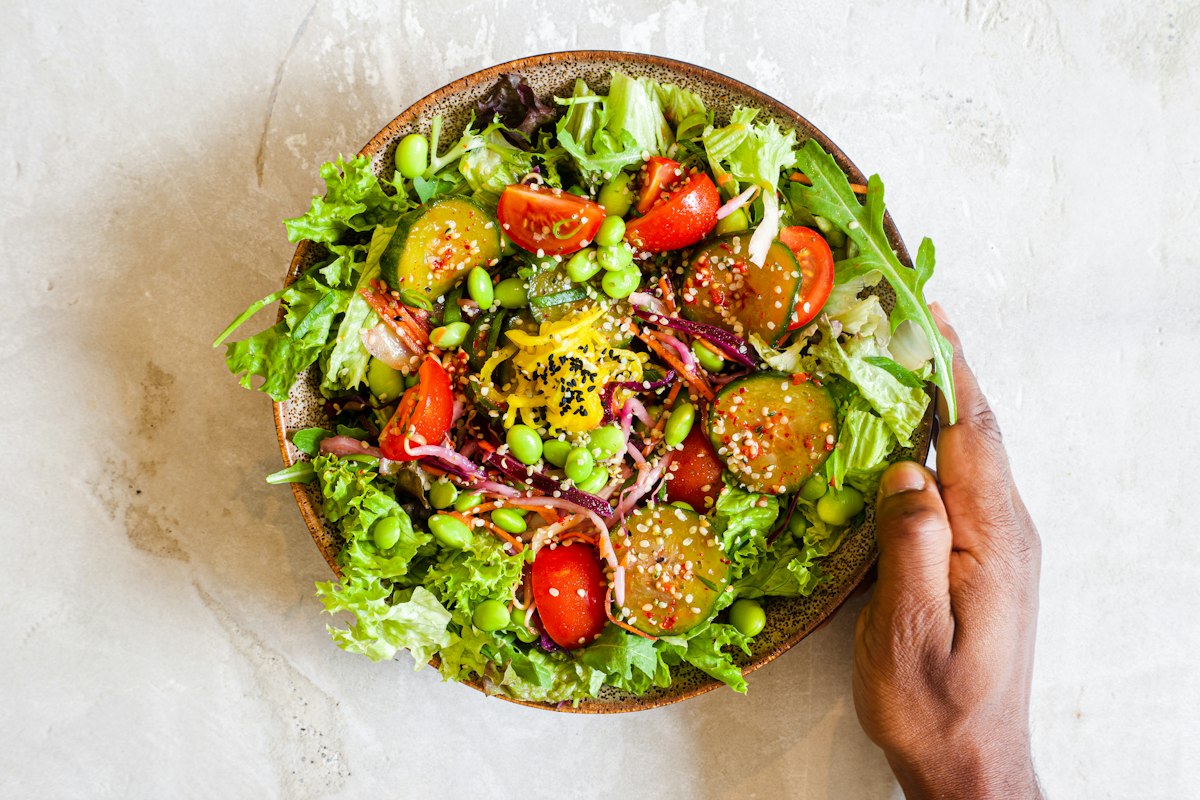
Nourish Your Body With Fresh Low-GI Salads & Balanced Meals
Explore our curated collection of nutritionist-reviewed recipes and meal guides designed to help you maintain steady energy levels, reduce sugar spikes, and enjoy every bite — crafted specifically for people who want to make smarter food choices every day.
Why Readers Trust Our Nutritional Guidance
Our editorial team works alongside registered nutritionists to bring you science-backed, practical meal guidance that fits your everyday lifestyle — not just a list of restrictions.
Low-GI Focused
Every recipe and guide is reviewed to highlight low glycemic index foods that support steady blood sugar levels throughout the day.
Wide Reader Community
A growing circle of readers across France and beyond rely on our meal articles to plan balanced, flavourful plates without guessing.
Rich Editorial Library
From quick weeknight salads to hearty main course guides, our editorial archive covers a broad spectrum of blood-sugar-friendly eating options.
Nutritionist Reviewed
Each featured article is reviewed by qualified nutritionists to make sure the advice is accurate, practical, and grounded in solid nutritional science.
Featured Meal & Salad Guides
Browse our hand-picked selection of nutritional articles and recipe guides. Each entry includes a calorie overview, glycemic rating, and key ingredients for a quick at-a-glance reference before you dive in.
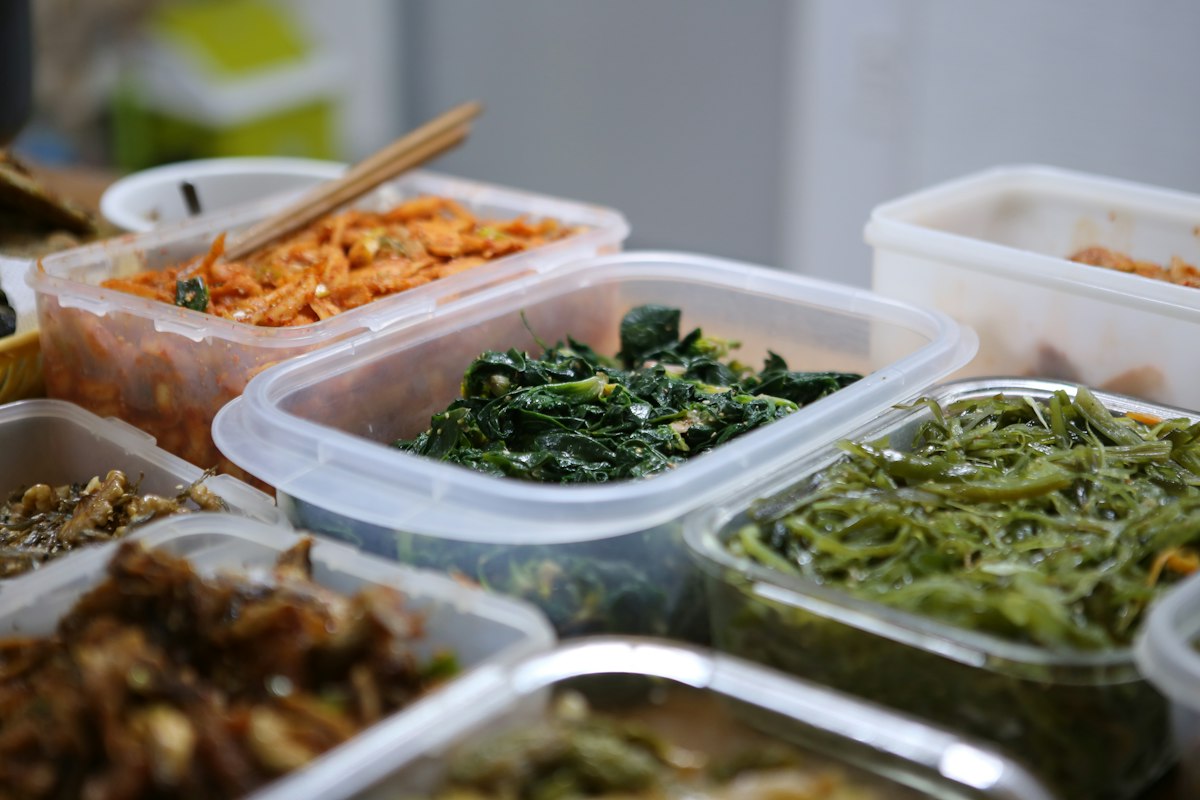
Greek-Style Chickpea & Cucumber Salad
A vibrant Mediterranean-inspired salad packed with fibre-rich chickpeas, crisp cucumber, ripe tomatoes, olives, and a lemon-herb dressing. Low in refined carbohydrates and full of satisfying plant protein.
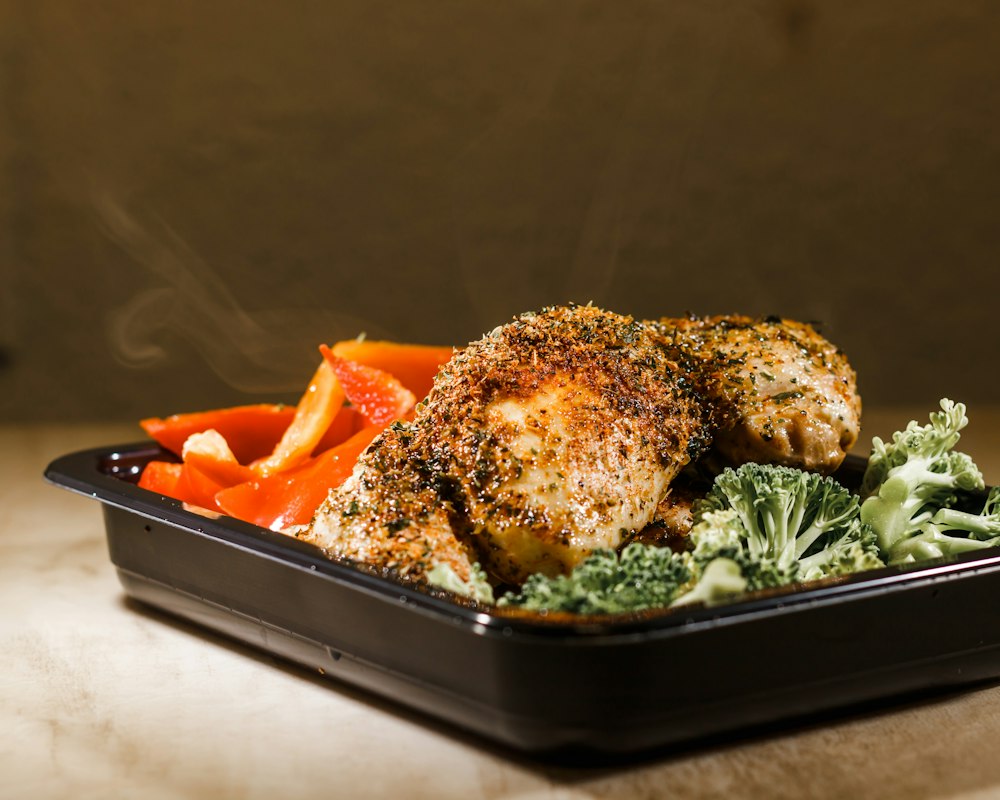
Grilled Salmon with Quinoa & Roasted Vegetables
Rich in omega-3 fatty acids and lean protein, this satisfying plate pairs a grilled salmon fillet with quinoa and oven-roasted courgette, peppers, and cherry tomatoes in olive oil and fresh herbs.
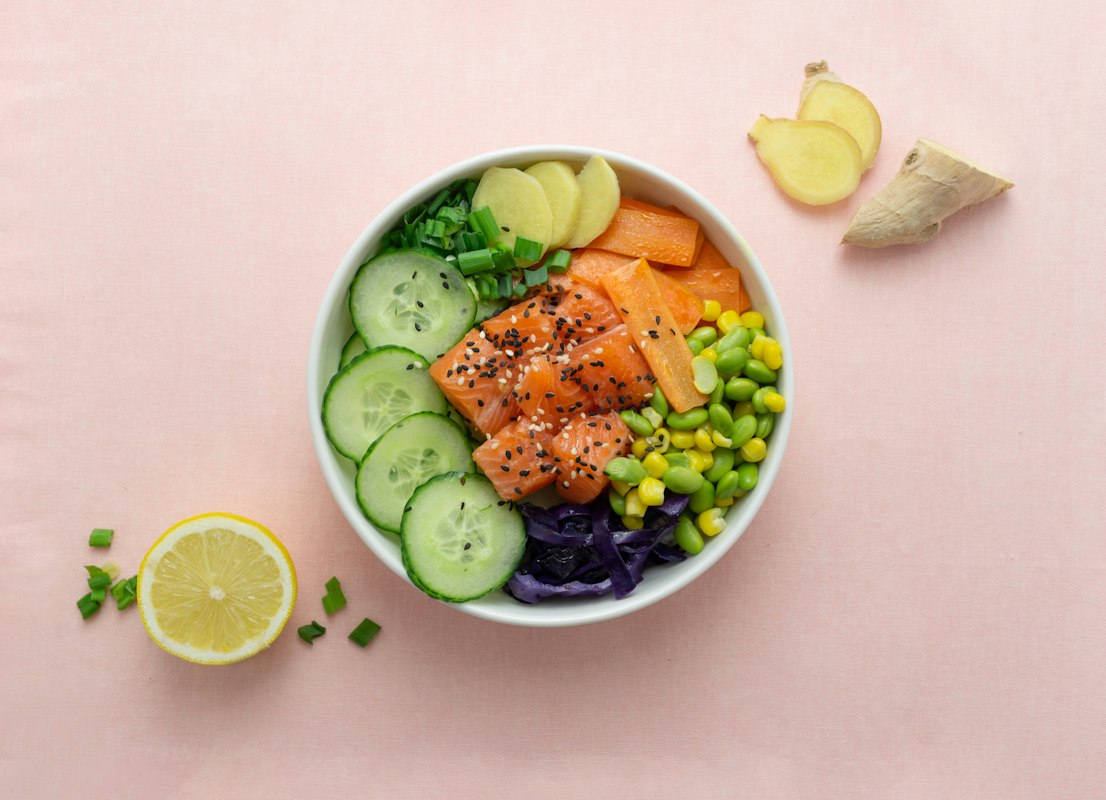
Avocado & Spinach Breakfast Bowl with Seeds
Start your morning right with a nourishing bowl of baby spinach, creamy avocado slices, soft-boiled eggs, chia seeds, and a drizzle of extra virgin olive oil — a breakfast that supports gradual energy release.
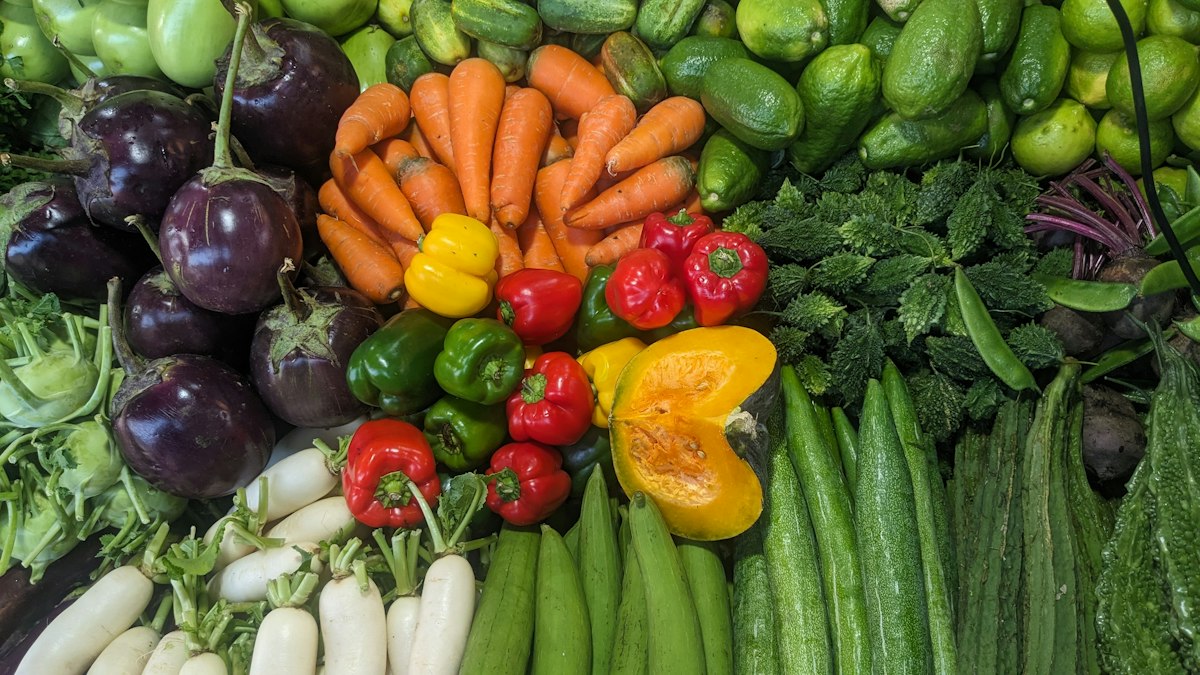
Red Lentil & Roasted Red Pepper Soup
A warming, comforting bowl of slow-cooked red lentils with fire-roasted peppers, cumin, and smoked paprika. High in soluble fibre, this soup helps slow the absorption of sugars into the bloodstream.
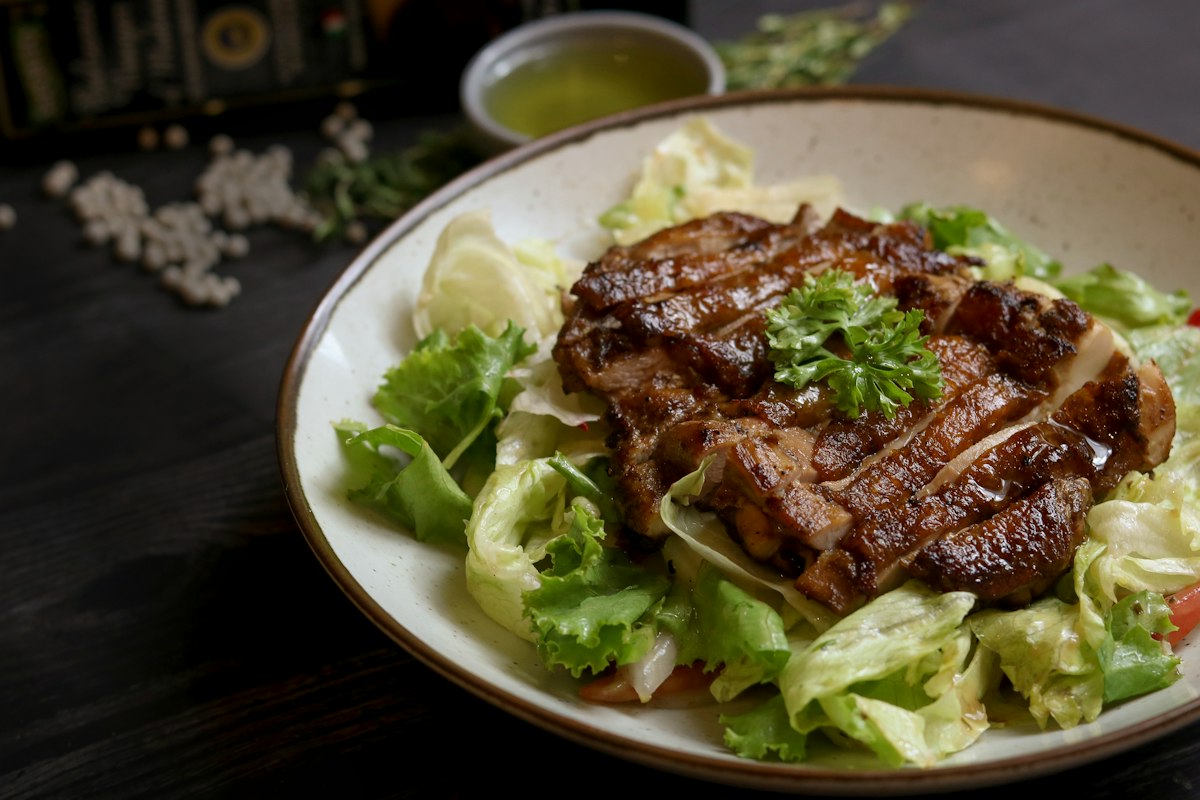
Classic Tabbouleh with Bulgur & Fresh Mint
This refreshing Middle Eastern salad balances fine bulgur wheat with an abundance of flat-leaf parsley, fresh mint, ripe tomatoes, and a bright lemon dressing — a fibre-forward dish that's light yet filling.
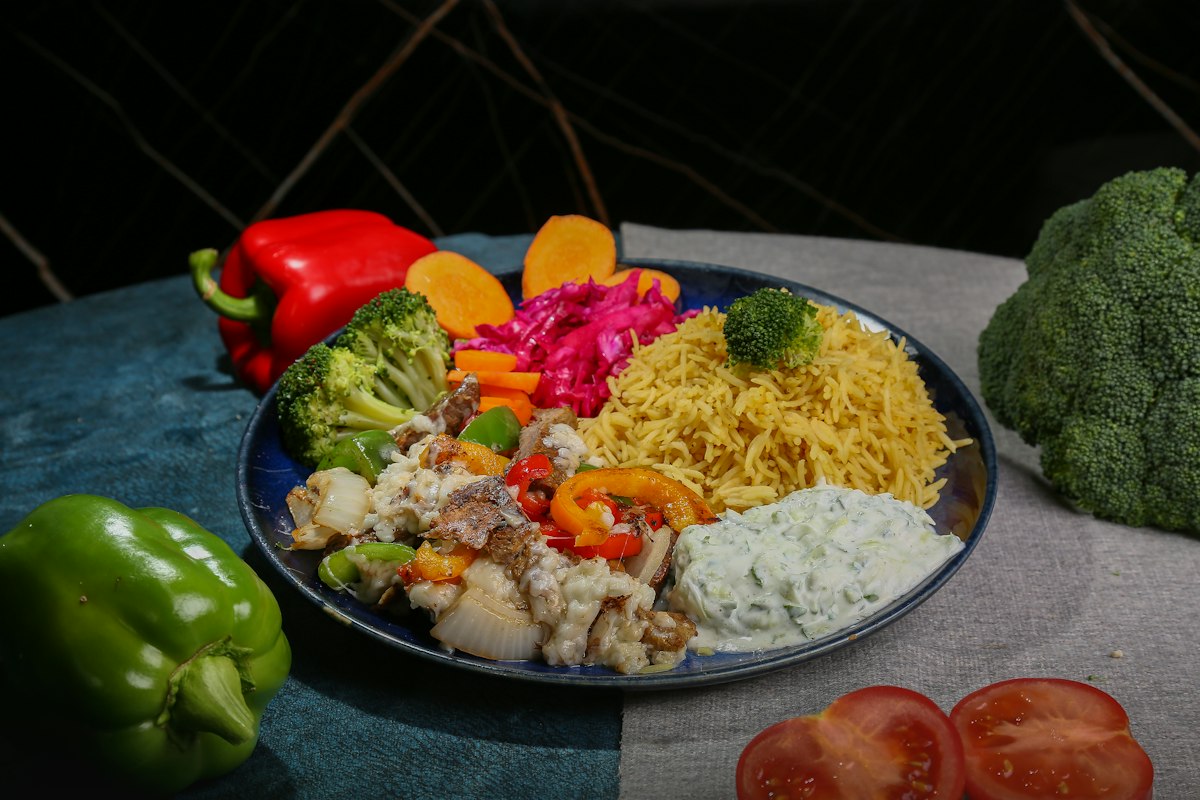
Homemade Hummus & Crunchy Vegetable Snack Plate
A satisfying between-meal snack featuring smooth homemade chickpea hummus alongside celery sticks, carrot batons, radishes, and cucumber slices — a protein-and-fibre-rich combination that curbs cravings without spiking sugar.
Curious About Low-GI Eating? Start With Our Guides.
Our nutrition guides break down the glycemic index, explain how different foods affect your energy, and show you how to build balanced plates that taste just as good as they are nourishing.
Read Our Nutrition GuidesWhy We Focus on Blood-Sugar-Friendly Meal Planning
At Healthyfoodchoicesinfo, our editorial team believes that eating well should never feel like a punishment. Managing the glycemic impact of your meals doesn't mean bland, restrictive plates — it means making smarter ingredient choices that deliver flavour, satisfaction, and nutritional balance in every mouthful.
We collaborate with experienced registered nutritionists based in France and across Europe to review every article and recipe we publish. Our goal is to make complex nutritional science accessible and genuinely useful — whether you're rethinking your breakfast routine or planning a full week of low-GI dinners.
From understanding the difference between simple and complex carbohydrates to learning which oils, proteins, and fibres work together to keep you feeling full and energised, our guides cover the full spectrum of informed, mindful eating.
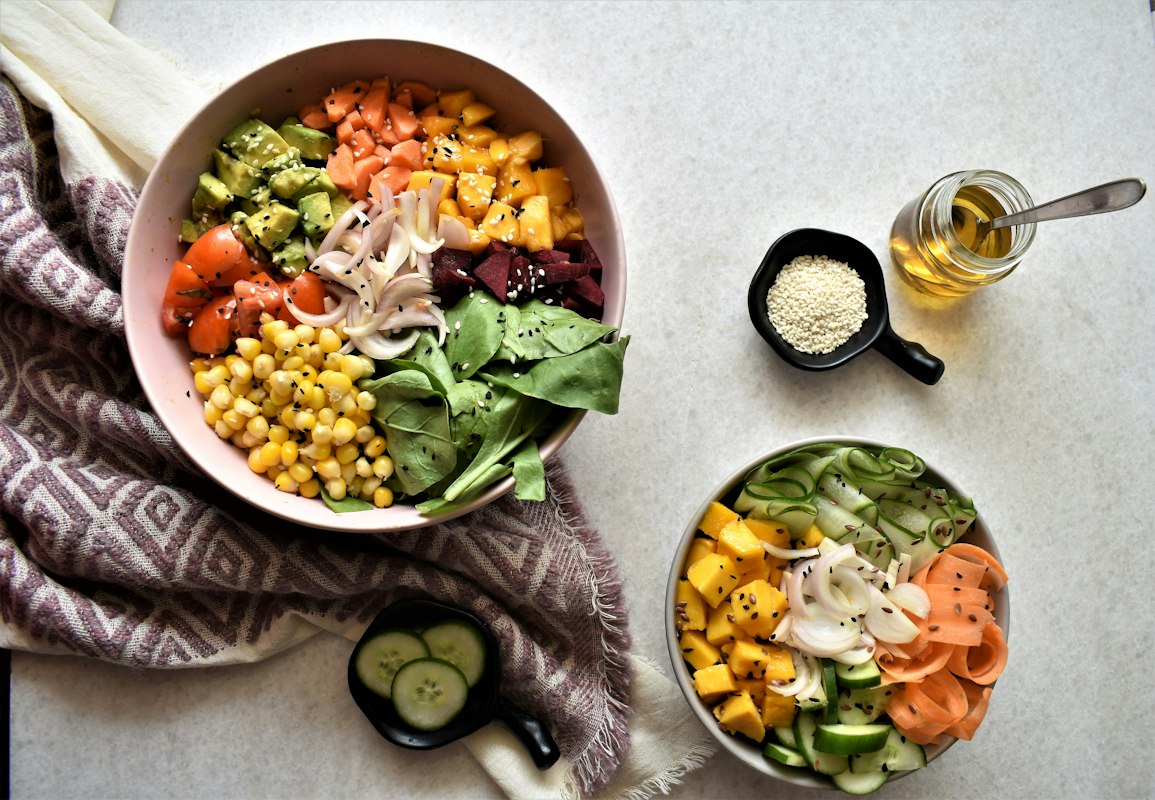
Nutritionist-Reviewed
Every article is checked by qualified nutritionists before it's published
How to Use Our Meal Guides Effectively
Getting the most out of our content is simple. Follow these four steps to build a personalised low-GI eating routine using our editorial resources.
Browse Articles by Category
Start by exploring our content categories — from salads and main meals to breakfast ideas and snacks — to find the type of recipe guides that match your daily routine and taste preferences.
Check the Glycemic Rating
Each guide features a GI rating label (Low / Medium / High) so you can instantly understand how the featured meal is likely to affect your blood sugar and make an informed choice for your plate.
Read the Full Nutritional Breakdown
Inside each article you'll find a breakdown of key macronutrients, fibre content, important vitamins, and practical tips for ingredient substitutions that keep the glycemic load low without sacrificing taste.
Plan Your Weekly Meal Rotation
Use our nutrition guides to mix and match recipes across a full week of eating. Our editors provide weekly planning tips to help you maintain variety, nutritional balance, and enjoyable mealtimes consistently.
Frequently Asked Questions
Got questions about low-GI eating, safe ingredient choices, or how to read our guides? Here are answers to the questions our readers ask most often.
What exactly is the glycemic index?
The glycemic index (GI) ranks carbohydrates on a scale of 0–100 based on how quickly they raise blood sugar levels after eating. Foods with a high GI (70+) cause rapid spikes, while low-GI foods (55 or below) digest slowly, providing steadier energy and better appetite control.
Are low-GI diets suitable for people without diabetes?
Absolutely. While low-GI eating is especially beneficial for managing blood sugar in people with diabetes or prediabetes, it's a smart approach for anyone who wants sustained energy, fewer cravings, improved focus, and long-term weight management — regardless of health status.
How do I know if a packaged food is low-GI?
Look for the official GI symbol on packaging, or check the ingredient list for whole grains, legumes, and minimal added sugars. Our guides walk you through label-reading step by step, helping you identify hidden high-GI ingredients like maltodextrin, glucose syrup, and refined starches.
Can I still enjoy fruit on a low-GI diet?
Yes! Most whole fruits are low-to-medium GI, especially berries, apples, pears, and citrus. Fiber content slows digestion and blunts blood sugar response. Fruit juice and dried fruits, however, tend to have higher GI values and should be consumed in moderation.
Do cooking methods affect a food's GI?
Yes, significantly. Overcooking pasta or potatoes raises their GI. Cooling cooked starches (like rice or potatoes) before eating them forms resistant starch, which lowers GI. Pairing carbs with fat, protein, or vinegar also lowers the overall glycemic response of a meal.
Is the information on Healthyfoodchoicesinfo medically reviewed?
Our content is thoroughly researched using peer-reviewed studies and reputable nutrition science sources. While we strive for accuracy, our guides are for educational purposes only and do not replace personalized medical advice. Always consult a registered dietitian or physician for your specific health needs.
Ready to Make Smarter Food Choices Every Day?
Thousands of readers use Healthyfoodchoicesinfo to build healthier habits, decode food labels, and discover low-GI meals they actually enjoy. Explore our free guides and take the first step toward balanced, sustained energy — starting now.