
Frequently Asked Questions
Everything you need to know about smart, nutritious eating choices — answered by our editorial team and nutrition writers.
Browse Our ArticlesYour Questions, Answered
Our editorial team curates answers to the most common questions readers ask about blood sugar-friendly eating, low-glycemic salads, wholesome meal planning, and smart nutritional habits for everyday life in France and beyond. Browse the topics below to find clear, evidence-based guidance.
All Frequently Asked Questions
1 What makes a salad suitable for people watching their blood sugar?
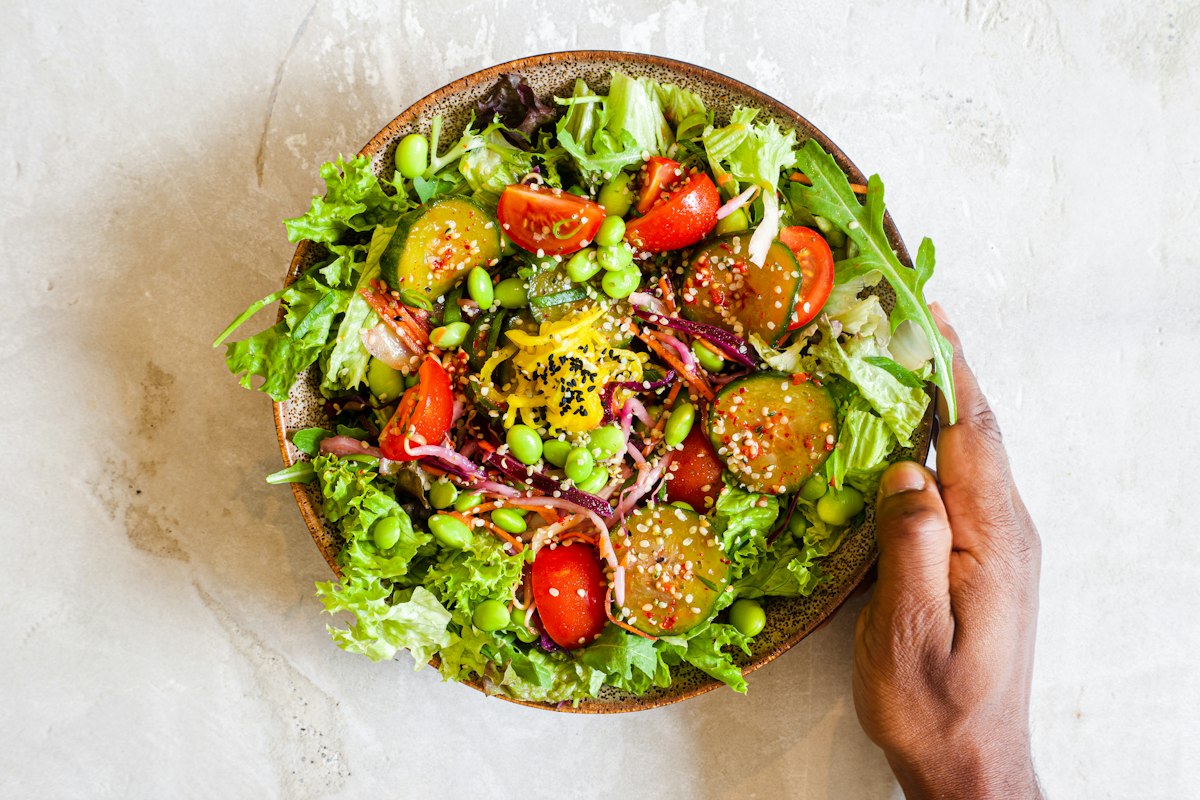
A blood sugar-friendly salad relies on a thoughtful combination of low-glycemic vegetables, lean proteins, and healthy fats — all of which slow the absorption of natural sugars into the bloodstream. The best bases are leafy greens such as spinach, arugula, or mixed lettuce, which are very low in carbohydrates. Adding fiber-rich vegetables like cucumber, zucchini, and bell peppers further slows digestion. Dressings should be made with olive oil and lemon or apple cider vinegar rather than honey-based or store-bought sauces that may contain hidden sugars. Topping your salad with grilled chicken, tuna, chickpeas, or boiled eggs provides lasting satiety without spiking energy levels.
2 Are fruits safe to include in meals for people with elevated blood sugar?
Yes, many fruits can absolutely be part of a balanced, low-glycemic eating plan — it simply comes down to choosing wisely and watching portion sizes. Berries such as blueberries, strawberries, and raspberries are excellent choices because they are rich in fiber and antioxidants while having a relatively modest impact on blood sugar. Apples and pears are also well-tolerated when eaten with their skin on. It is best to avoid fruit juices, dried fruits, or tropical fruits like mango and pineapple in large quantities, as these tend to be much higher in concentrated natural sugars. Our editorial team covers detailed fruit guides in the nutrition section of our blog.
3 What are the best vegetables to build low-glycemic salads?
The most effective vegetables for blood sugar-conscious salads are those that grow above the ground and are non-starchy. Top choices include spinach, kale, romaine lettuce, arugula, cucumber, celery, radishes, broccoli, cauliflower, and green beans. These vegetables are packed with vitamins, minerals, and dietary fiber while contributing very few digestible carbohydrates to the meal. Tomatoes and bell peppers are slightly higher in natural sugars but still very manageable in reasonable portions. Root vegetables like carrots can also be used — just modestly. Our salad recipe guides explain how to layer these ingredients for maximum nutritional benefit and flavor.
4 Can whole grains be included in a meal plan focused on stable energy levels?
Whole grains can be a healthy addition when chosen carefully and consumed in appropriate portions. Unlike refined grains, whole grains such as quinoa, bulgur, barley, oats, and brown rice retain their bran and germ layers, which provide fiber that moderates the pace of sugar absorption. Quinoa in particular is often highlighted in our nutrition guides because it offers a complete protein profile alongside a lower glycemic impact than white rice or pasta. The key is to avoid large servings and to pair grains with plenty of non-starchy vegetables and a quality protein source. This combination ensures a slow, steady release of energy without sharp spikes.
5 How important is meal timing for maintaining stable blood sugar throughout the day?
Meal timing plays a significant role in how the body processes food and regulates energy. Eating at regular, consistent intervals throughout the day — rather than skipping meals and then eating large amounts — helps keep blood sugar more stable. Most nutrition writers on our platform recommend three balanced meals per day, with a modest snack if needed between lunch and dinner. Skipping breakfast is widely considered counterproductive, as it often leads to overconsumption later in the day. Starting the morning with a protein-rich, fiber-filled meal sets a positive metabolic tone for the hours that follow.
6 Are legumes like lentils and chickpeas a good option for people watching carbohydrate intake?
Legumes are among the most valuable foods for anyone focused on blood sugar-friendly nutrition. Despite containing carbohydrates, lentils, chickpeas, black beans, and kidney beans have a very low glycemic index because they are extraordinarily high in both soluble fiber and plant protein. This combination significantly slows the rate at which glucose enters the bloodstream after eating. In France, lentilles du Puy are a particularly popular and nutritious option — rich in iron, magnesium, and folate alongside their blood sugar benefits. Our editorial team has published several detailed meal guides featuring legumes as the protein star of lunch and dinner recipes.
7 What salad dressings are recommended for a low-glycemic diet?
Salad dressings are one of the most overlooked sources of hidden sugars and refined carbohydrates, particularly store-bought varieties with sweeteners, honey, or high-fructose corn syrup. The simplest and most nutritious option is a classic vinaigrette made from extra-virgin olive oil and fresh lemon juice or apple cider vinegar, seasoned with Dijon mustard, garlic, and herbs. This type of dressing is not only sugar-free but also rich in heart-healthy fats that support nutrient absorption from vegetables. Greek yogurt-based dressings with herbs are another excellent option, providing protein alongside creamy texture. Our salad recipes page includes a full section on homemade dressing ideas tailored for low-glycemic eating.
8 How does the Mediterranean diet relate to blood sugar-friendly eating?
The Mediterranean dietary pattern is widely regarded by nutrition researchers as one of the most effective food frameworks for supporting stable blood sugar and overall cardiovascular wellbeing. It emphasizes an abundance of vegetables, legumes, whole grains, olive oil, fish, and fresh herbs — all of which align closely with low-glycemic eating principles. Unlike restrictive diets, it is varied, culturally rich, and highly sustainable over the long term. Many traditional French and southern European dishes naturally follow this model, making it particularly accessible to readers in France. Our blog features numerous Mediterranean-inspired salad and dinner recipes that are both delicious and nutritionally thoughtful.
9 Is it possible to eat satisfying, filling meals without relying on refined carbohydrates?
Absolutely — and this is one of the most empowering insights our editorial platform aims to share with readers. Satiety comes primarily from protein, dietary fiber, and healthy fats, not from refined starches or sugar. A well-composed plate of grilled salmon with roasted cauliflower and a leafy green salad can be just as — or more — satisfying than a pasta dish, while having a significantly gentler impact on blood sugar. The key is understanding which foods trigger lasting fullness and which create short-lived energy followed by renewed hunger. Our nutrition guides explore the science behind satiety in accessible, reader-friendly language to help you build genuinely satisfying meals.
10 What role does hydration play in a blood sugar-conscious lifestyle?
Hydration is a foundational but often underappreciated aspect of balanced nutrition. Water supports nearly every metabolic process in the body, including how efficiently cells respond to insulin signals. Drinking adequate water throughout the day — aiming for around 1.5 to 2 liters depending on activity level — helps the kidneys filter excess blood sugar and supports energy regulation. Infused water with cucumber, lemon, or fresh mint is a flavorful way to increase intake without adding sugar or calories. Our editorial team strongly advises readers to replace sugary soft drinks, packaged juices, and even sweetened coffees with water, herbal teas, or sparkling water as a first practical step toward healthier habits.
11 Are there quick, practical meal prep tips for busy people following a low-glycemic diet?
Meal preparation does not have to be complicated or time-consuming. Setting aside two to three hours on a Sunday to cook a batch of protein (grilled chicken breast, hard-boiled eggs, or baked salmon), wash and chop salad vegetables, and cook a pot of lentils or quinoa can supply the building blocks for multiple nutritious meals across the week. Pre-portioned salad jars work wonderfully for weekday lunches — layering dressing at the bottom, followed by firmer vegetables, then protein, and greens on top keeps everything fresh. Our blog section includes a dedicated series of weekly meal prep plans tailored to low-glycemic eating that readers find both practical and inspiring.
12 How can I find reliable recipes and meal guides on Healthyfoodchoicesinfo?
Our platform is organized to make it easy to find exactly what you need. The main navigation leads to dedicated sections including our blog for long-form editorial articles, our salad recipes page for step-by-step recipe guides, and our nutrition guides section for deeper educational reading on food science and healthy eating principles. You can also visit the about us page to learn more about our editorial approach and the values that guide our content. If you have a specific question not covered in our published content, the contact page allows you to send a message directly to our editorial team — we welcome reader feedback and often use it to inspire new articles.
Still Curious? Explore Our Full Recipe Library
Our salad recipes and nutrition guides go deeper into practical, everyday eating — with step-by-step instructions, ingredient breakdowns, and tips from our editorial nutrition writers.
What Our Readers Say
Readers across France share how they discovered practical, everyday eating habits through the articles on our platform.
"I found the salad recipe articles incredibly practical. The explanations about which vegetables keep blood sugar stable were written so clearly — I immediately started trying the lentil and arugula combinations at home. The FAQ section answered every question I had been wondering about for months."
Camille Durand
Avid reader — Lyon, France
"What I appreciate most about this editorial platform is how approachable the content feels. The nutrition guides don't talk down to readers — they explain complex topics like glycemic index in language anyone can follow. The meal prep tips alone have transformed how I plan my week."
Thomas Leclercq
Regular reader — Bordeaux, France
"The FAQ page alone answered questions I had been searching for online for a long time. The writing is thorough and evidence-based without being overly clinical. I shared the article about Mediterranean-style salads with several friends, and we have been cooking from the recipes together every weekend."
Sophie Marchand
Loyal reader — Paris, France
Why Readers Trust Our Editorial Content
Our platform is built on honest, research-informed writing — here is what sets our content apart.
Research-Informed Writing
Every article on our platform is grounded in credible nutritional science and peer-reviewed dietary research, presented in language that everyday readers can understand and apply.
Independent Editorial Voice
Our editorial team is committed to providing impartial, unsponsored content. We write with readers' best interests in mind — not to promote any particular brand, product, or agenda.
Practical, Actionable Recipes
Beyond theory, our content focuses on meals and salads that readers can realistically prepare at home — with accessible ingredients available at local markets across France.
Get Fresh Articles in Your Inbox
Join a growing circle of readers who receive our latest salad recipes, low-glycemic meal guides, and nutritional tips directly by email — no spam, just quality editorial content.
By subscribing, you agree to our Privacy Policy. Unsubscribe at any time.
Explore More on Our Platform
Navigate our editorial library to find exactly what you are looking for.
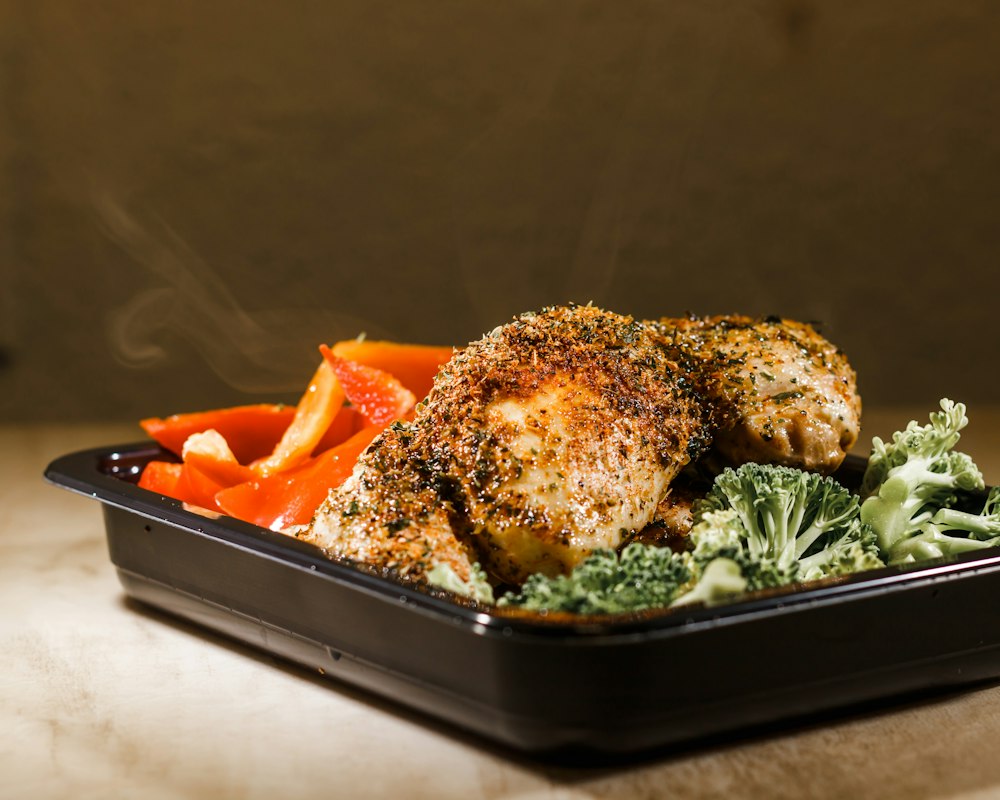
7-Day Diabetic Meal Plan
A complete weekly meal plan designed to keep blood sugar stable and meals delicious.
Read More
Smart Snacking for Diabetics
Discover satisfying snack options that won't spike your blood sugar between meals.
Read More
High-Fiber Foods That Help
Learn which high-fiber foods slow glucose absorption and support long-term health.
Read More
Hydration & Blood Sugar Control
Find out how proper hydration plays a key role in managing diabetes day to day.
Read More