
How We Research,
Write & Review
Every Article
At Healthyfoodchoicesinfo, every guide and article you read is the result of a structured, transparent editorial process. We draw on established nutritional science, registered dietitian expertise, and a rigorous multi-stage review cycle to ensure that each piece of content is accurate, balanced, and genuinely helpful for readers following a blood-sugar-conscious lifestyle in France and beyond.
Why Methodology Matters for a Food & Nutrition Platform
Nutrition information is everywhere online — but not all of it is created with the same level of care. Readers managing their blood-sugar balance deserve content grounded in current nutritional research, reviewed by qualified professionals, and written clearly enough to be actionable in everyday life. Our editorial methodology exists to close the gap between complex science and real kitchen decisions.
We believe that trustworthy content cannot be produced by shortcuts. Each topic we cover goes through a defined pipeline: from initial research scoping and source gathering, through expert consultation and editorial drafting, to peer review and final publication checks. This process typically takes several days per article — we prioritize depth over speed.
Our commitment extends beyond publication. Articles are revisited on a rolling schedule to reflect updates in nutritional guidance, seasonal ingredient availability in France, and reader feedback gathered through our community channels. You can always find the "Last reviewed" date at the top of each guide.
Our 6-Step Content Creation Pipeline
Every article you read on Healthyfoodchoicesinfo passes through each of the following stages before it reaches you. No step is skipped, no matter how straightforward the topic may seem.
Topic Identification & Scoping
Every article begins with a clear editorial brief. Our content team identifies topics based on reader questions submitted via our community pages, recurring themes in registered-dietitian consultations, and gaps we notice in existing online resources. We then define the scope precisely — for example, "high-fibre low-glycaemic-index salad dressings suited to the French Mediterranean pantry" rather than a vague catchall topic. A narrow scope produces a more useful, more expert article.
Primary Source Research
Our writers consult peer-reviewed literature from established nutritional and food-science journals — including publications from ANSES (the French Agency for Food, Environmental and Occupational Health & Safety) and internationally recognised nutrition bodies. We prioritise systematic reviews and meta-analyses over single studies where available. Every factual claim made in an article must be traceable to at least one cited primary source. We do not rely on secondary aggregator websites or unverified social-media nutritional claims as source material.
Expert Consultation & Dietitian Review
Before drafting begins, our research summary is shared with at least one registered dietitian-nutritionist (diététicien-nutritionniste) from our network of advisors. The expert annotates the summary — flagging any nuances relevant to blood-sugar balance, pointing to more recent evidence where applicable, and identifying any claims that are oversimplified or context-dependent. This consultation shapes the article's framing before a single paragraph is written, preventing misinformation from entering the draft stage rather than being corrected afterwards.
Editorial Drafting & Recipe Testing
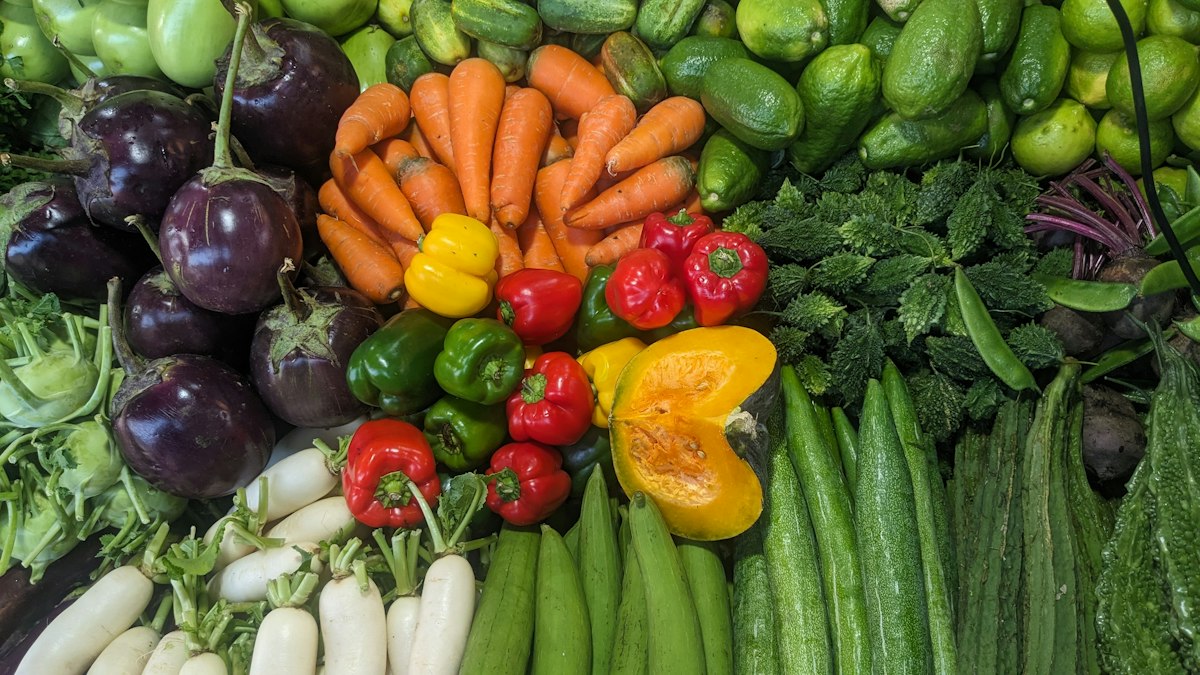
Our food writers produce a full draft that translates the research findings into clear, actionable guidance. For recipe-based content — such as our salad guides — the recipe is physically prepared in a test kitchen using ingredients available in French supermarkets and local marchés. Nutritional values are calculated using validated databases (Ciqual for French food composition). If a recipe does not meet our nutritional benchmarks on the first attempt, it is modified and re-tested. Only recipes that pass this iterative testing process make it into the final article.
Peer Editorial Review & Fact-Checking
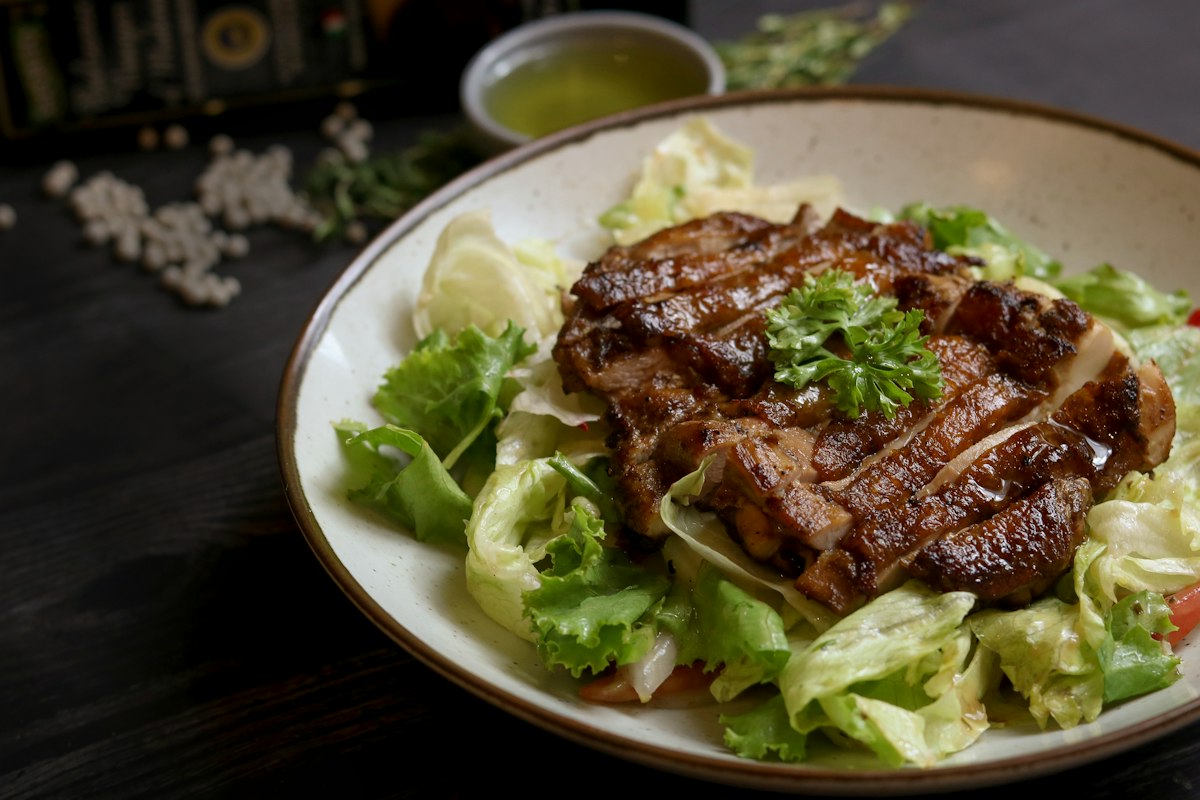
The completed draft is passed to a second editorial team member who was not involved in writing. This reviewer checks every factual statement against its cited source, confirms that the article's recommendations align with the dietitian's consultation notes, verifies that no prohibited or misleading claims have been included, and evaluates readability for a general audience. Revisions are tracked in our editorial management system so that all changes are transparent and accountable. The article is not advanced for publication until all reviewer comments are resolved.
Publication & Scheduled Content Review
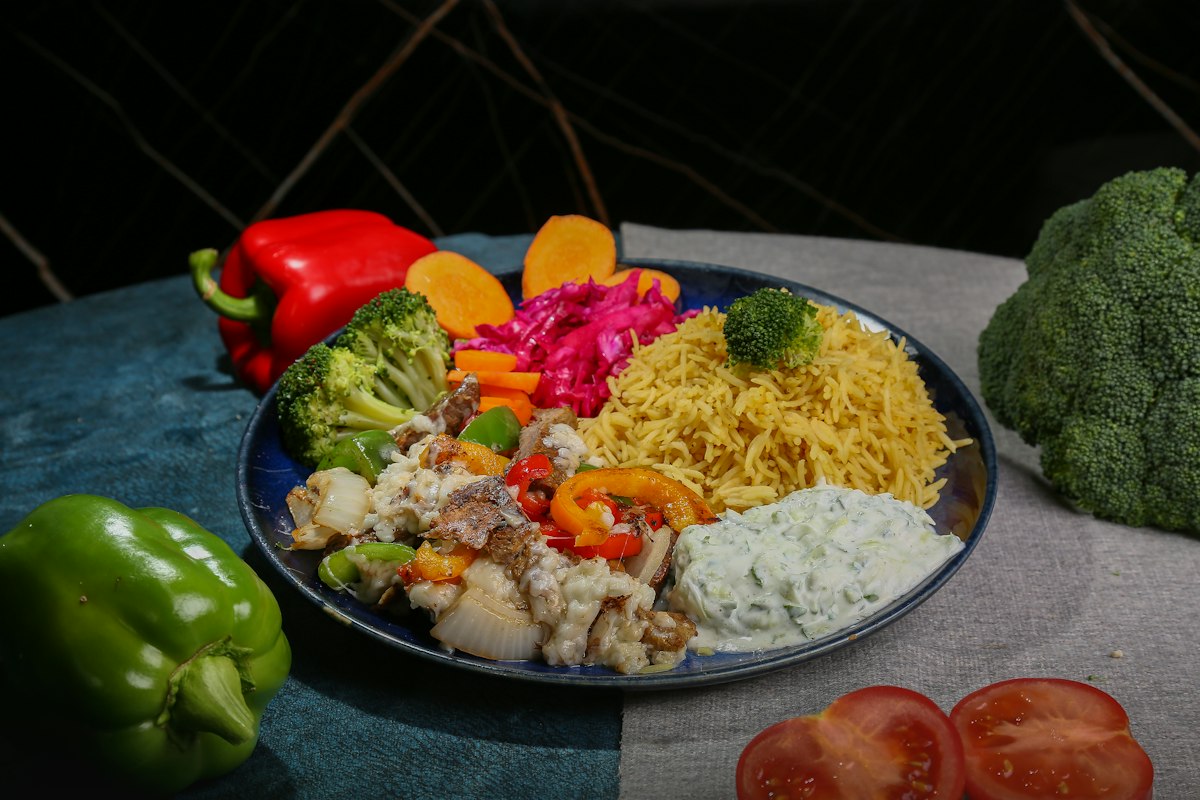
Once approved, the article is published with a clear date stamp, source list, and the name of the reviewing dietitian. We assign every published article a review date — typically six to twelve months from publication — at which point the content team revisits it to assess whether any nutritional guidance has been updated, whether reader comments have raised valid questions, and whether new relevant research has been published. Articles that are significantly updated are re-reviewed by a dietitian before re-publication. This ongoing cycle means our archive remains a living, current resource rather than a static snapshot.
Explore the Content Built on This Process
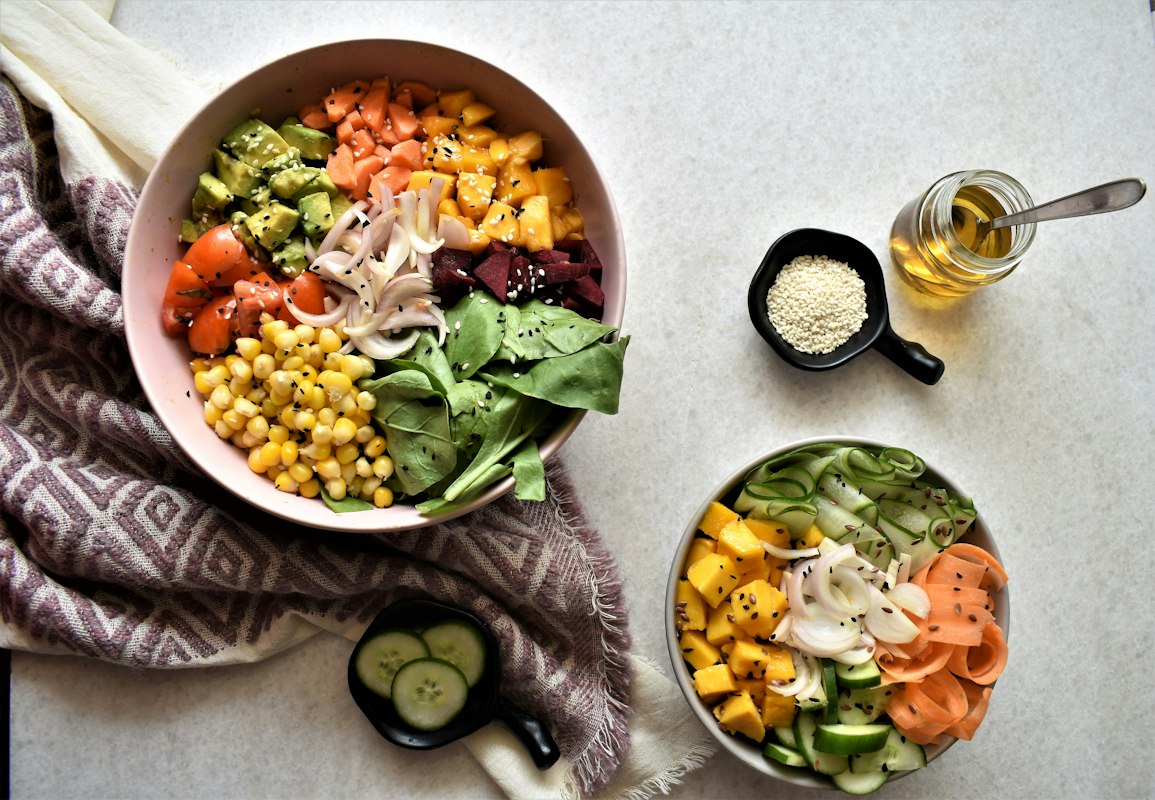
Every guide in our recipe library, every nutritional breakdown, and every meal-planning article has been produced using the methodology described on this page. Browse our latest articles and see the results for yourself.
Our Quality Assurance Criteria
Before any article is cleared for publication, it must satisfy each of the following quality benchmarks. These are non-negotiable standards applied consistently across all content categories.
Source Traceability
Every factual statement must reference a named, accessible source — a peer-reviewed paper, an official nutritional body publication, or a citable government food-safety guideline. Unnamed or unverifiable claims are removed before publication, regardless of how commonly they appear elsewhere online.
Dietitian Sign-Off
Our content is based on publicly available nutritional research and is intended for educational purposes. The expert's name or initials appear in the article's metadata. We do not publish meal guidance based solely on the writer's personal interpretation of research without this professional input layer.
Balanced Perspective
Where nutritional evidence is inconclusive or actively debated among researchers, our articles reflect that uncertainty honestly. We do not present contested findings as settled fact. Readers are informed when a recommendation is based on strong consensus versus emerging or preliminary research.
Local Relevance for France
Our recipes and meal guides are adapted to seasonal produce availability in French regions, common local cooking techniques, and French portion and meal-structure norms. Ingredients are referenced by their French market names where applicable, and substitutions for regional availability are suggested throughout.
Accessible Language
Scientific terminology is always accompanied by a plain-language explanation. Our editorial team specifically reviews drafts to eliminate jargon that might confuse a general reader without a nutrition background. We target a reading level accessible to a motivated adult with no specialised training — because useful information is only useful if it can be understood and applied.
Currency & Regular Updates
Nutritional science evolves. Articles are flagged for scheduled review at defined intervals, and any significant update to official nutritional guidance triggers an immediate re-check of affected content. Readers can always see the most recent review date displayed prominently at the top of every guide, so they can judge the currency of the information themselves.
The Sources Behind Our Content
We draw on a carefully maintained library of trusted sources that are updated regularly as new guidance becomes available. Below is a representative overview of the categories of sources our research team works with. Individual articles cite their specific sources directly within the body text.
-
Peer-Reviewed Nutritional Science Journals
Including publications focused on dietary patterns, glycaemic response, and food composition. We prioritise systematic reviews and meta-analyses where they exist.
-
ANSES & French Official Food Guidance
ANSES publishes the Ciqual database of French food composition, dietary reference values, and food-safety evaluations, which form a core part of our nutritional data.
-
International Nutritional Bodies
We reference guidance from the World Health Organisation, EFSA (European Food Safety Authority), and comparable agencies when their recommendations are relevant to our content.
-
Registered Dietitian Expertise
Our network of dietitian advisors provides consultation input that bridges published research and practical dietary application — an essential layer that pure literature review cannot replace.
-
Test Kitchen Data
Did you know?For recipe articles, in-house preparation and nutritional calculation using the Ciqual database provides first-hand data that supplements and verifies secondary research.
Our Editorial Standards
- All health claims are backed by at least two independent peer-reviewed sources.
- Articles are reviewed by a qualified nutritionist before publication.
- Content is updated whenever new evidence changes our understanding of a topic.
- We clearly distinguish between established consensus and emerging or contested research.
- Corrections are published prominently whenever errors are identified.